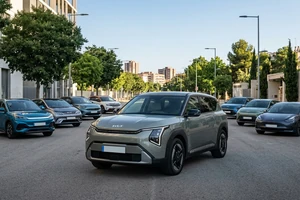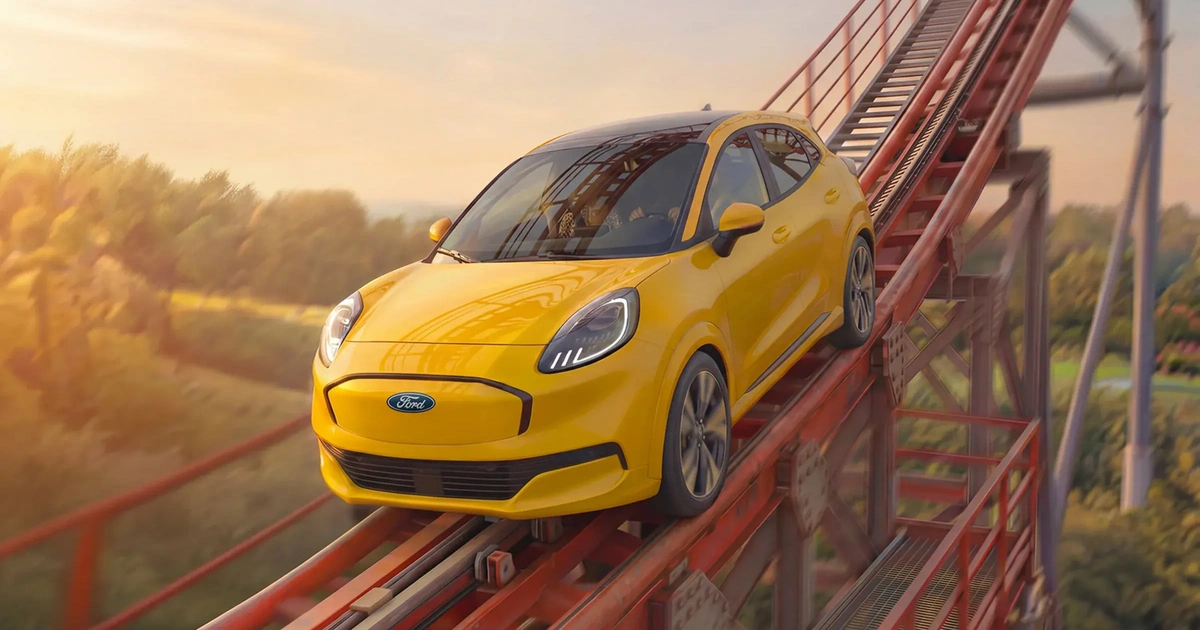

When their electric cars were left without the sound of an engine, BMW called Hans Zimmer and Renault called Jean-Michel Jarre, and Ford has gone looking for it in an amusement park. The driving sound of the Puma Gen-E was born from recordings that Christian Störig, sound quality engineer at Ford of Europe, made on a roller coaster and later mixed with sounds from combustion cars.
Zimmer and Jarre are composers with a body of work of their own, and their brief was to give each brand a sound that would be recognised as its own. Ford took the opposite route, because it first decided what the person at the wheel should feel and then looked for a place where that feeling already had a sound.
It had previously tried to create a sound of its own, but none of the proposals convinced it. In the Puma Gen-E it has chosen a less pretentious path, starting from sensations the driver already knows and leaving for later the question of how its whole electric range should sound. It may be a smarter decision than it seems. Its electric cars are still young, and fixing a sound identity now could constrain the models to come.
At the wheel, probably nobody will think of a roller coaster, but its sounds evoke sensations we already know, and Ford has tuned them to its own criteria to convey them more directly.
In this article 6 sections
- The Puma Gen-E's sound starts from recordings of a roller coaster
- Ford tried to invent a sound of its own before looking for familiar sensations
- BMW commissioned Hans Zimmer to compose a sound for the car
- Renault adapted Jean-Michel Jarre's music with IRCAM in Paris
- Ford conveys driving sensations; BMW and Renault, a brand identity
- Ford will look for a recognisable sound for the rest of its range
01The Puma Gen-E's sound starts from recordings of a roller coaster
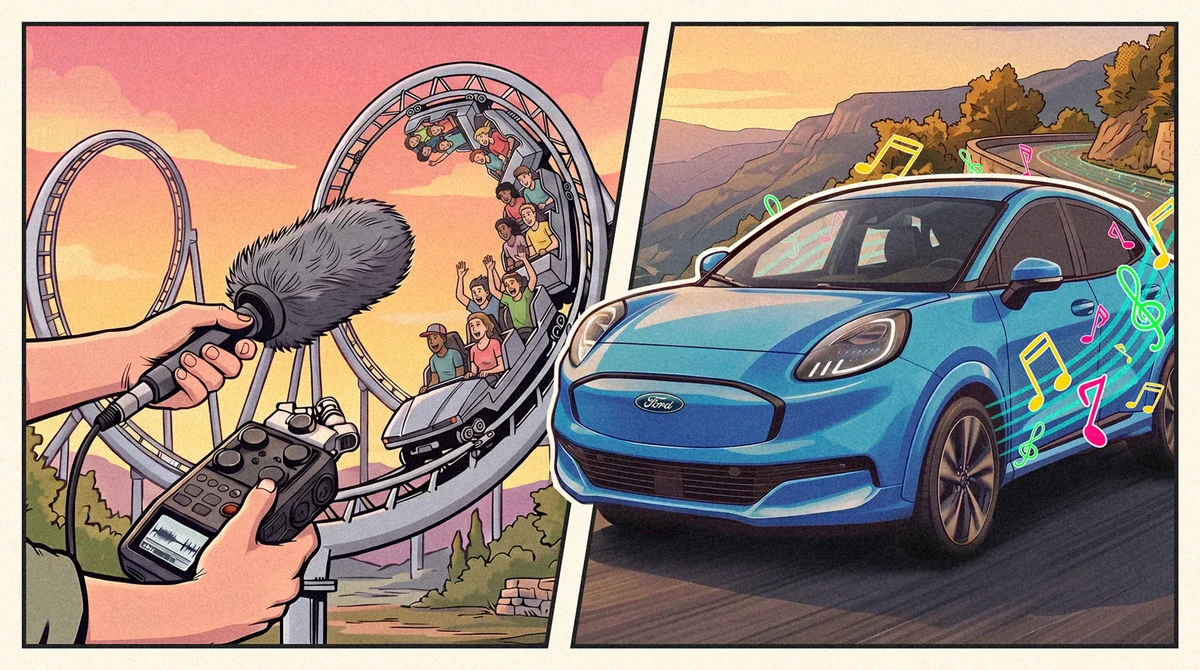
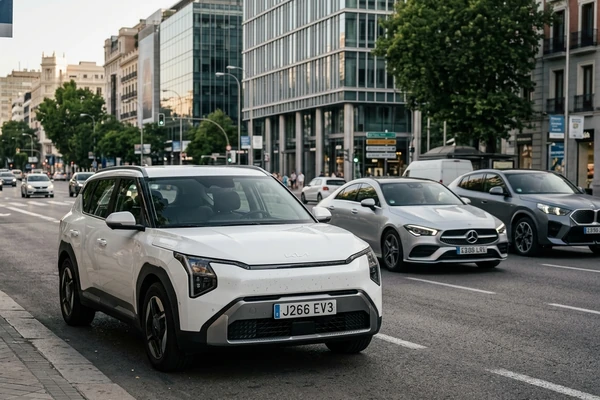
The Puma Gen-E is the smallest of the four electric cars Ford sells in Spain, a 4.21-metre urban SUV derived from the petrol Puma. Being electric, it lacks the engine noise that used to accompany every move the driver made, and Ford wanted all of the car's signals, from the indicator to the hum of acceleration, to come from a single family of sounds.
The amusement park idea came from Dieter Leffers, Ford's chief engineer for product development in Europe, according to the brand. A roller coaster runs without a combustion engine, just like an electric car, and Ford maintains that it conveys power, speed and safety through its sounds. Almost all of us have ridden one at some point and recognise its sounds without ever having stopped to listen to them, just as we anticipate what comes after each one.
Störig used his phone to record the hum of the motor that pulls the cars up the ramp, which he associated with acceleration. He also recorded the hiss and click of the pneumatic brakes and the electromagnetic pulse of the wheels as they engage with the rails, which to him conveyed power and precision.
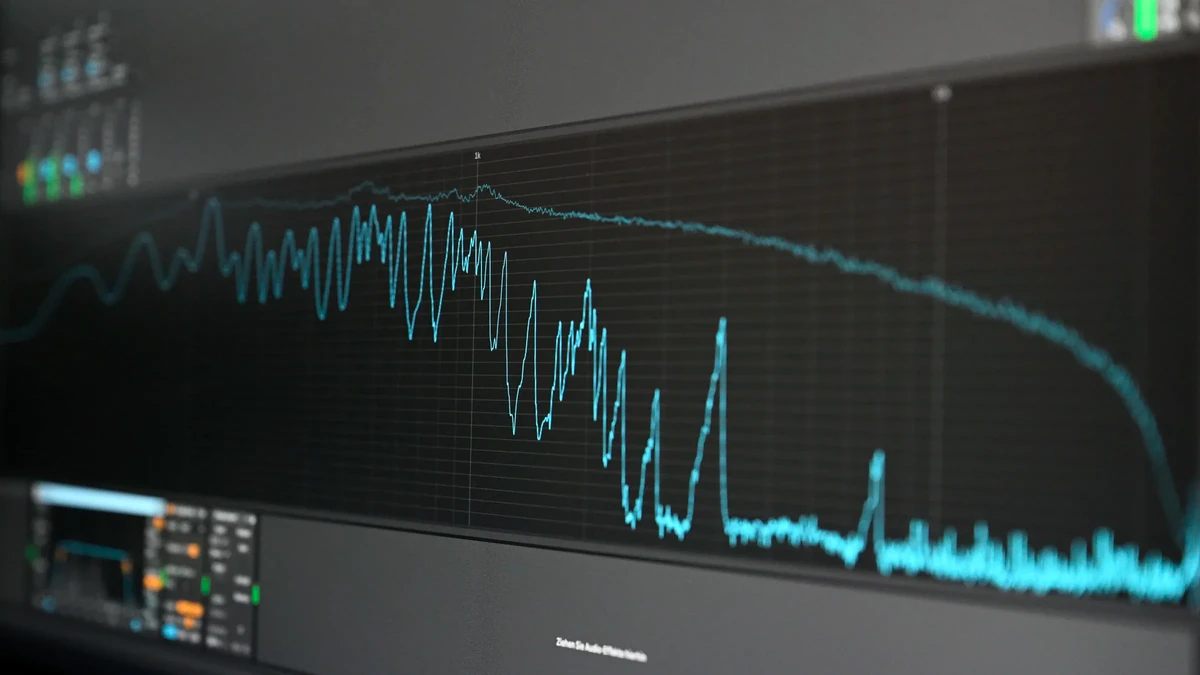
Back in the sound laboratory Ford has in Merkenich, in Cologne, the team played back those recordings and combined them with soundscapes from combustion cars. Ford explains that it was looking for a balance between the familiar and the exciting, and that it got there after dozens of mixes and tests. What is heard in the Puma Gen-E is a sound synthesised from those recordings.
02Ford tried to invent a sound of its own before looking for familiar sensations
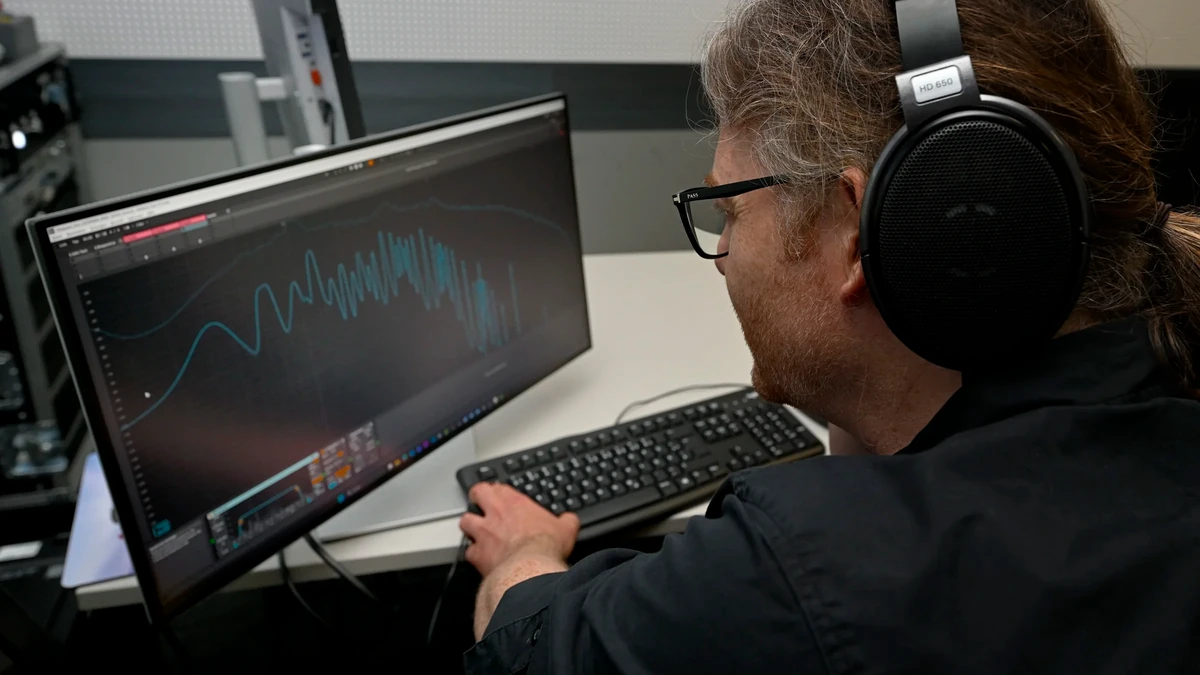
Before going to the amusement park, the team held brainstorming sessions, organised tests with user groups and went as far as replicating the sounds of the cars in cyberpunk films and series. Ford acknowledges that none of it convinced them.
That first phase sought to invent a sound that would define the car, which is the work of giving a product an identity, and Ford ended up choosing a more direct solution, centred on what it wanted to convey to the person driving. The brand can give the Puma Gen-E a personality without having yet settled the sound character of its future electric cars.
With that solution, Ford ended up looking outside for something a brand usually draws from within. To the sensations of the roller coaster it added the familiarity of combustion engines, whose sounds the driver already knew.
03BMW commissioned Hans Zimmer to compose a sound for the car
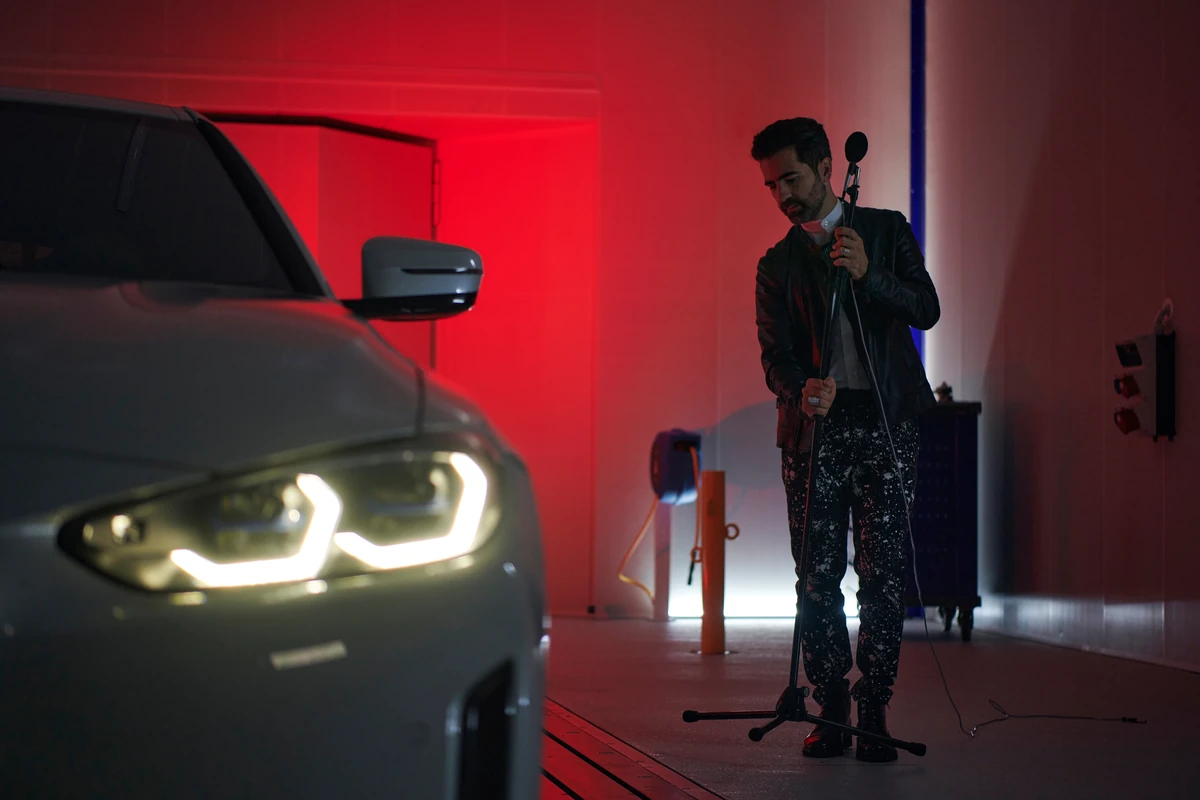
The clearest contrast is BMW, which began working with Hans Zimmer in 2019, alongside the group's creative director of sound, on what the brand calls BMW IconicSounds Electric. The sound reached the BMW i4 and iX in 2022 and responds to every movement of the accelerator, growing in intensity as load and speed rise. When presenting one of the first, Zimmer said that with it they wanted to bridge BMW's past and its future.
That bond between a sound and what it accompanies has a precedent in Philip Glass and in Koyaanisqatsi, the first film of the Qatsi trilogy, released in 1982 and without dialogue. Glass composed to montages of images that the director then re-edited to the music, in a back-and-forth process.
Zimmer, whose music is more immediate than Glass's, is one of the composers who have brought that language to a wide audience. In Interstellar we see the concept of the Qatsi trilogy carried into a film with a clear story and a more identifiable language, and critics pointed out on its release how much its score resembled that of Koyaanisqatsi. BMW thus turned to a creator used to giving a visual experience its sound personality.
04Renault adapted Jean-Michel Jarre's music with IRCAM in Paris
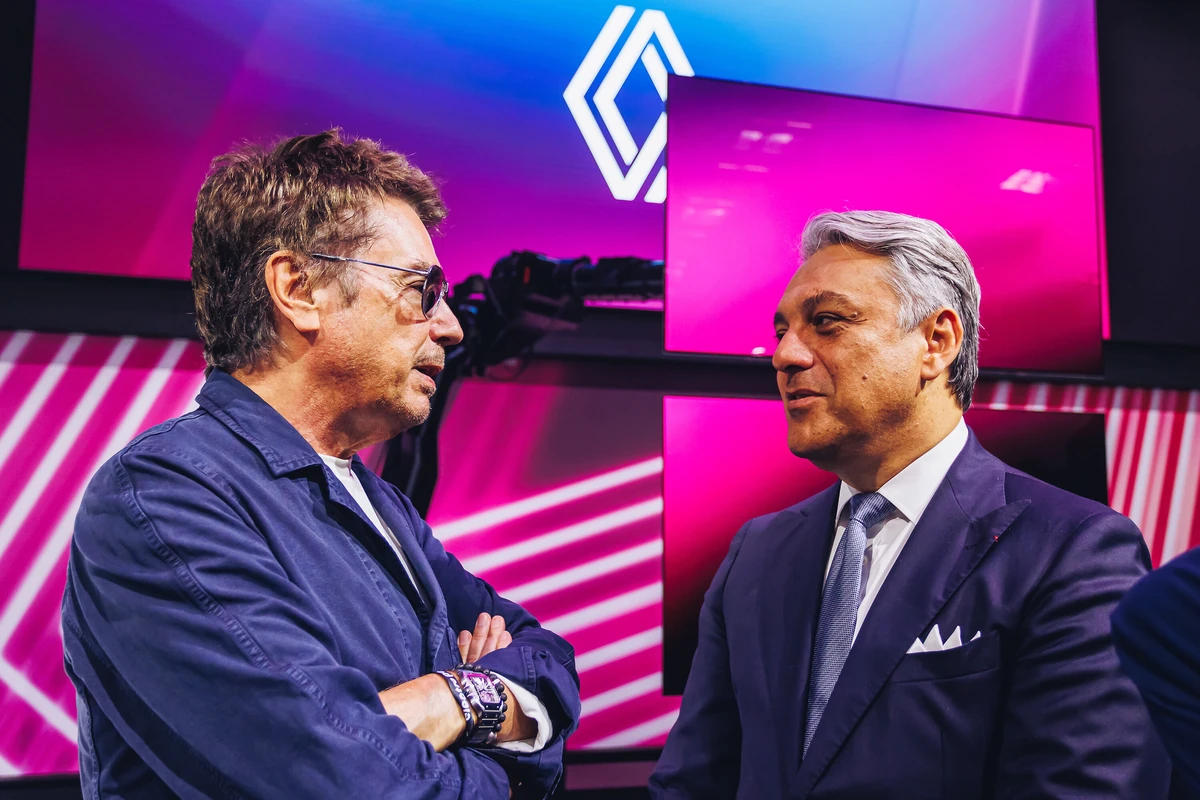
Renault turned to Jean-Michel Jarre after a meeting between the musician and the group's chief executive at the 2021 Munich motor show. He worked with IRCAM, the Paris institute devoted to research in music and acoustics, with which the brand had already created the pedestrian warning sound of the ZOE and the Megane E-Tech.
The teams started from several tracks of Oxymore, the album Jarre released in 2022, and the musician broke them down until he obtained sound textures. With them they made the exterior warning sound and the welcome sequence that plays on entering the car, which debuted in 2023 with the Scenic E-Tech. The music existed before the car, and Renault adapted it to its models.
Renault was also helped, in our view, by the musician's origins, because Jarre is a French creator known all over the world and IRCAM is a Paris institution. The brand looked outside its engineering and inside its culture, and what it brought back already carried an identity. Renault stated its aim when presenting it, saying that this sound signature should soon become a recognisable part of the soundscape of cities.
In April 2025, Renault and Jarre extended their collaboration until 2028, with new sound projects for the interior of the cars. The brand is working on a recognisable identity that will last and evolve over the years.
05Ford conveys driving sensations; BMW and Renault, a brand identity
Renault and Ford both looked for the sound outside the car and found very different materials. Renault turned to a work with an author and a recognisable cultural identity. Ford found sounds that belong to no car brand and that convey familiar sensations, because anyone who has ridden a roller coaster already knows what acceleration and power are.
BMW and Renault have turned to composers with a recognisable career and artistic language, whose names also lend prestige to their brands. Ford has preferred to start from an everyday experience and build on it, which is why its approach is the least pretentious of the three. All three seek to move the person driving, with different tools.
06Ford will look for a recognisable sound for the rest of its range
Ford still wants to develop a recognisable sound signature for the rest of its range, and Störig has set himself the goal of a Ford Rally sound for the new family of passenger cars with rally DNA that the brand talks about. BMW and Renault have spent years working in that direction, each with its own musical language. For now, Ford has found a different solution for the Puma Gen-E, one that leaves the sound of the models to come open.
The three brands also have a story to tell: that of Hans Zimmer at BMW, that of Jean-Michel Jarre at Renault and that of an engineer who recorded a roller coaster with his phone at Ford. The composers' names bring prestige, and Ford's story brings closeness and an explanation that is easy to remember. They are three ways of doing marketing, and behind each one there is creative work and a different strategy.
BMW and Renault have decided to start building their sound identity now, while Ford has preferred to begin with sensations. Perhaps it is still too early to know how electric cars should sound ten years from now. If so, Ford's less pretentious path may turn out to be just as smart.