Hispano Suiza was born in Barcelona in 1904 and grew into one of the most admired luxury names in Europe, until it stopped building cars in 1946. It returned in 2019 with electric hypercars assembled by hand in Barcelona, in runs of just a few units and with prices above two and a half million euros. It remains one of the very few carmakers with roots in Spain, a country far better known for building mainstream models in others' factories than for luxury marques of its own.
Today the brand is controlled by Grup Peralada, a Catalan hotel, leisure and cultural group owned by the Suqué Mateu family. Its president, Miguel Suqué Mateu, is the great-grandson of Damián Mateu, the industrialist who founded the firm more than a century ago. That family continuity is unusual for a historic marque returning to the market more than half a century later: the same bloodline that started the company in 1904 still owns it today.
The brand has, in effect, two lives separated by decades: the one that made it an icon of European engineering in the first half of the 20th century, and the one that has brought it back as a maker of electric hypercars, with three models in its current range.
In this article 6 sections
01From 1904 to 1946: when Barcelona built benchmark cars
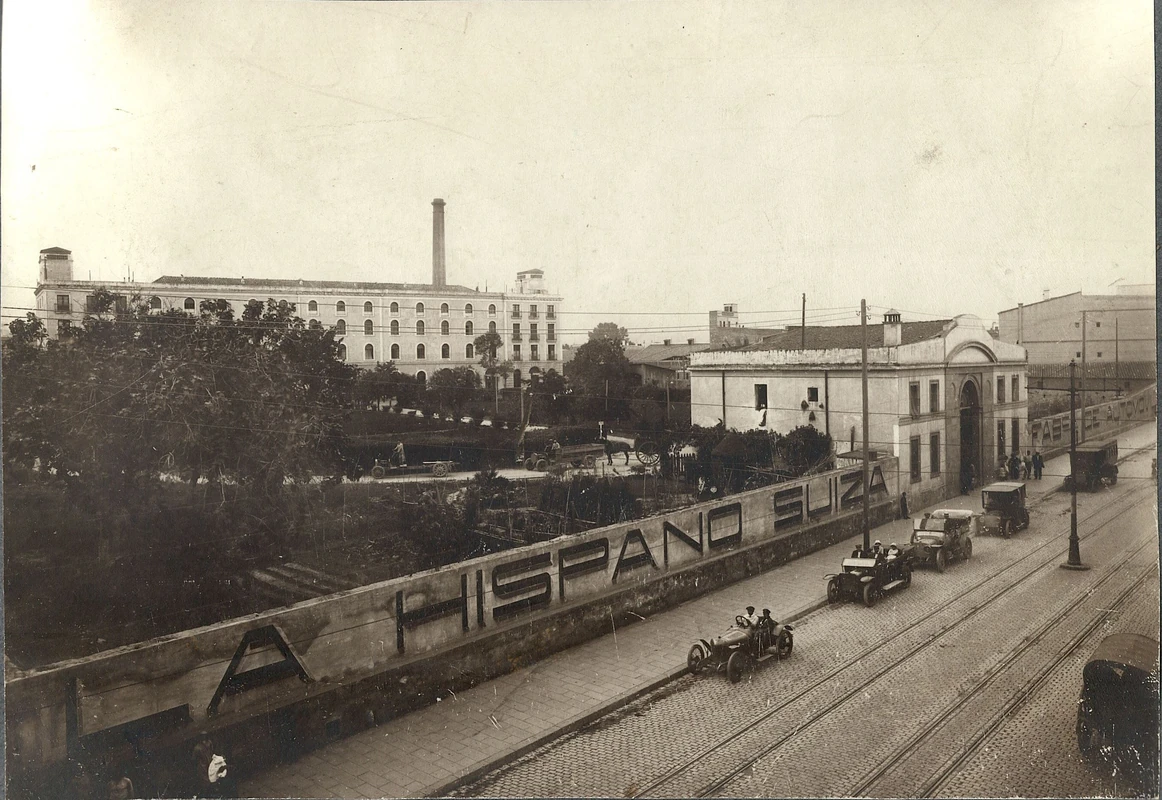
Hispano Suiza was founded in Barcelona on 14 June 1904, when a group of industrialists led by Damián Mateu partnered with a Swiss engineer, Marc Birkigt, who took charge of the technical side. The company rose on the remains of an earlier factory, La Cuadra, where Birkigt had already worked.
Birkigt's talent did the rest. His cars combined engines that were very advanced for their time with elegant bodywork, and they found their clientele among the European aristocracy and upper middle class. Alfonso XIII, then King of Spain and a keen driver, fell for the brand to the point of lending his name to one of its sportiest models, the Hispano Suiza Alfonso XIII. Over the years, a Hispano Suiza was driven by figures such as Pablo Picasso, Coco Chanel and Albert Einstein.
The First World War changed the company's course. From 1915, Birkigt designed aircraft engines that powered Allied planes with notable success, and that second line of work became as important as the cars. Adding up its whole historic period, between 1904 and 1946 Hispano Suiza built more than 12,000 luxury cars and close to 50,000 aviation engines, becoming a first-rank industrial player.
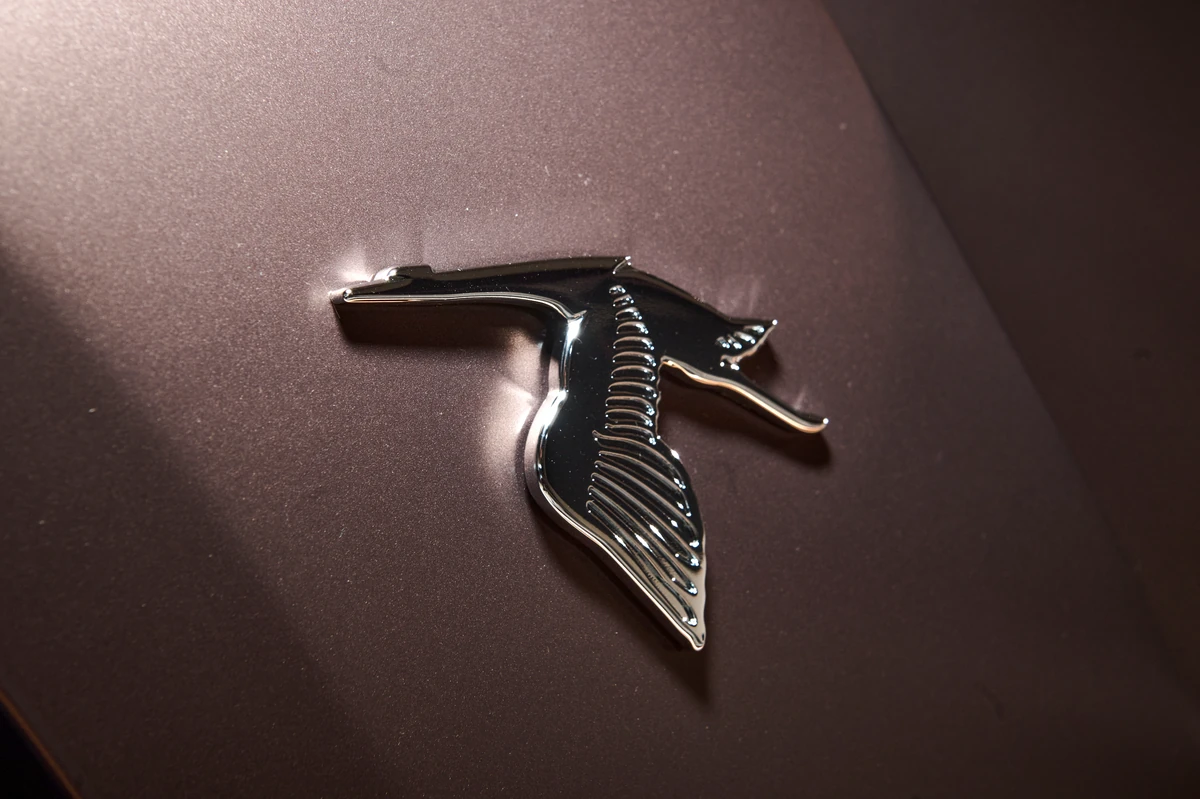
The stork
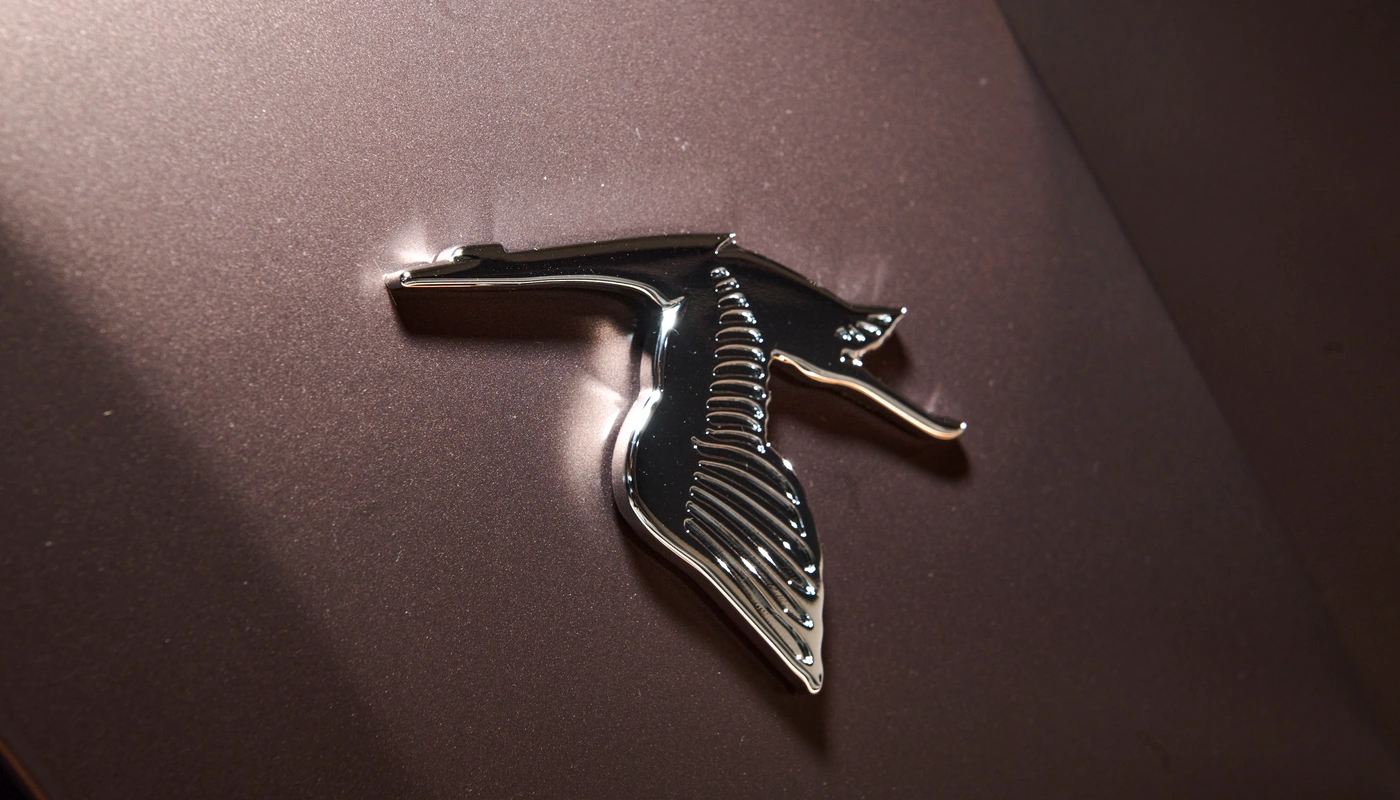
The brand's emblem, a stork in full flight, comes precisely from aviation. Hispano Suiza engines powered the fighters of the French Escadrille des Cigognes, the squadron of the storks, where the celebrated pilot Georges Guynemer flew. The brand made that symbol its own; it ended up crowning the radiators of its cars, and today it still presides over the front of the current models.
Car production stopped in 1946. Over the following decades, Hispano Suiza was a name that lived in museums and collections, not in dealerships.
02The electric rebirth: the Carmen
In 2019, at the Geneva Motor Show, the brand unveiled the Carmen, a fully electric hypercar. The name honours Carmen Mateu, mother of Miguel Suqué Mateu and granddaughter of the founder, and the word on the rear of the car reproduces her signature, letter by letter.
Going electric was neither a fad nor an accident. The brand wanted a car that would set it apart from the rest of the hypercar makers, nearly all still running combustion engines, and a hand-built electric hypercar had almost no rivals at that point.
The design looks back to a historic model, the Dubonnet Xenia of 1938, a car of futuristic lines commissioned by the racing driver André Dubonnet. That Art Deco heritage runs through the Carmen inside and out, because its creators wanted it recognised at a glance as a Hispano Suiza, with the materials and details of the brand's classic interiors.
03The current range: Carmen, Boulogne and Sagrera
Since that first Carmen, the brand has developed three models that share a base and a recipe: two-seat coupés at the very top of the luxury segment.


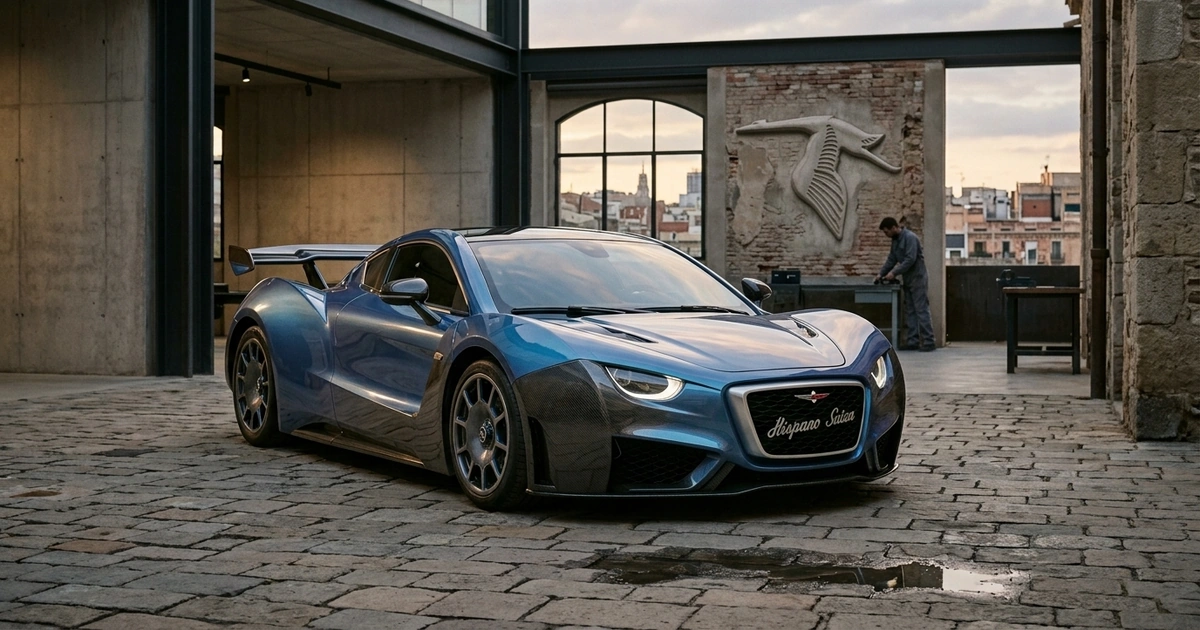
The Carmen opens the range with a quirk in its drivetrain: it carries two permanent-magnet synchronous motors, one for each rear wheel, that together deliver 750 kW and drive the rear axle only. There is no driven front axle, and the torque split between the two wheels is handled by an electronic torque-vectoring system. The 103 kWh battery sits in the central tunnel and the space behind the seats, with a homologated range of 500 km WLTP. Fourteen units of this model were built.
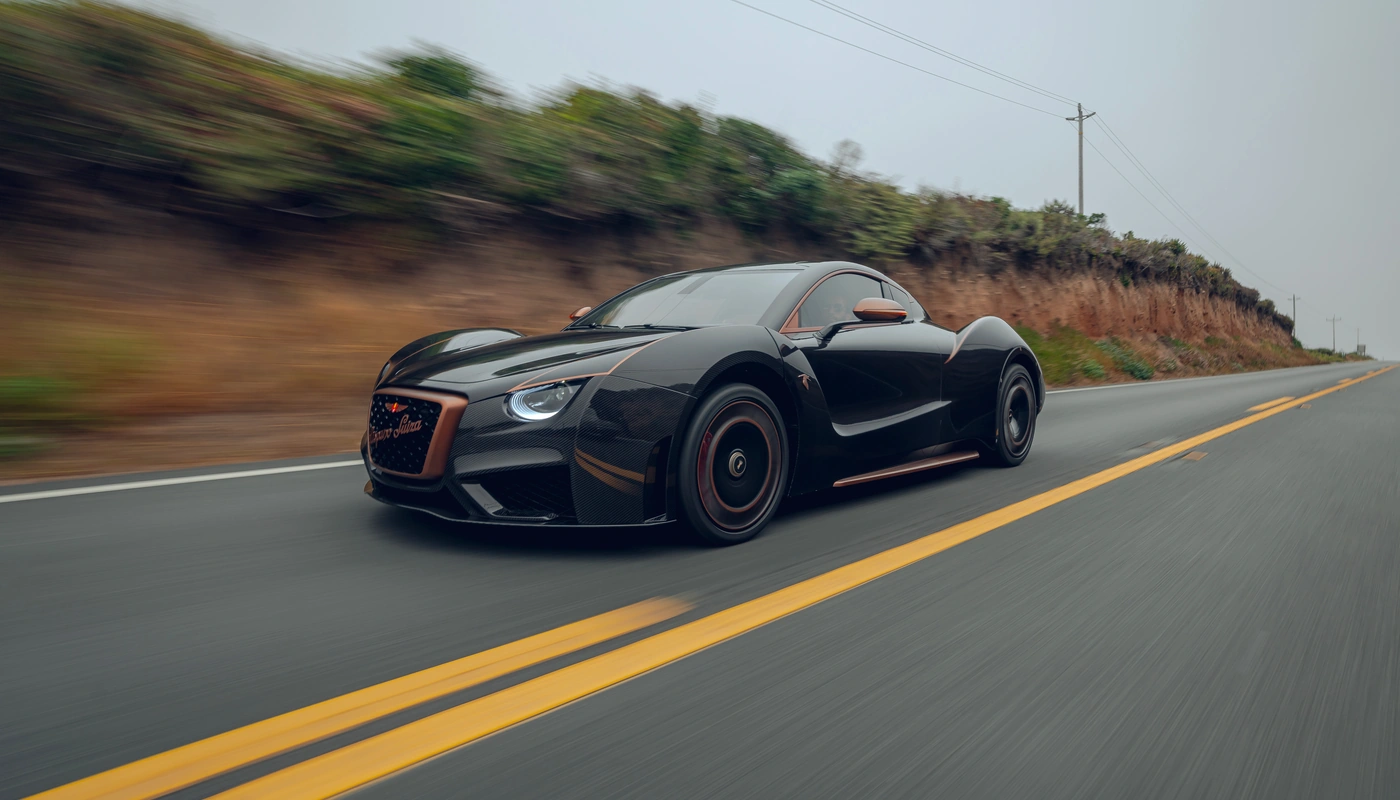


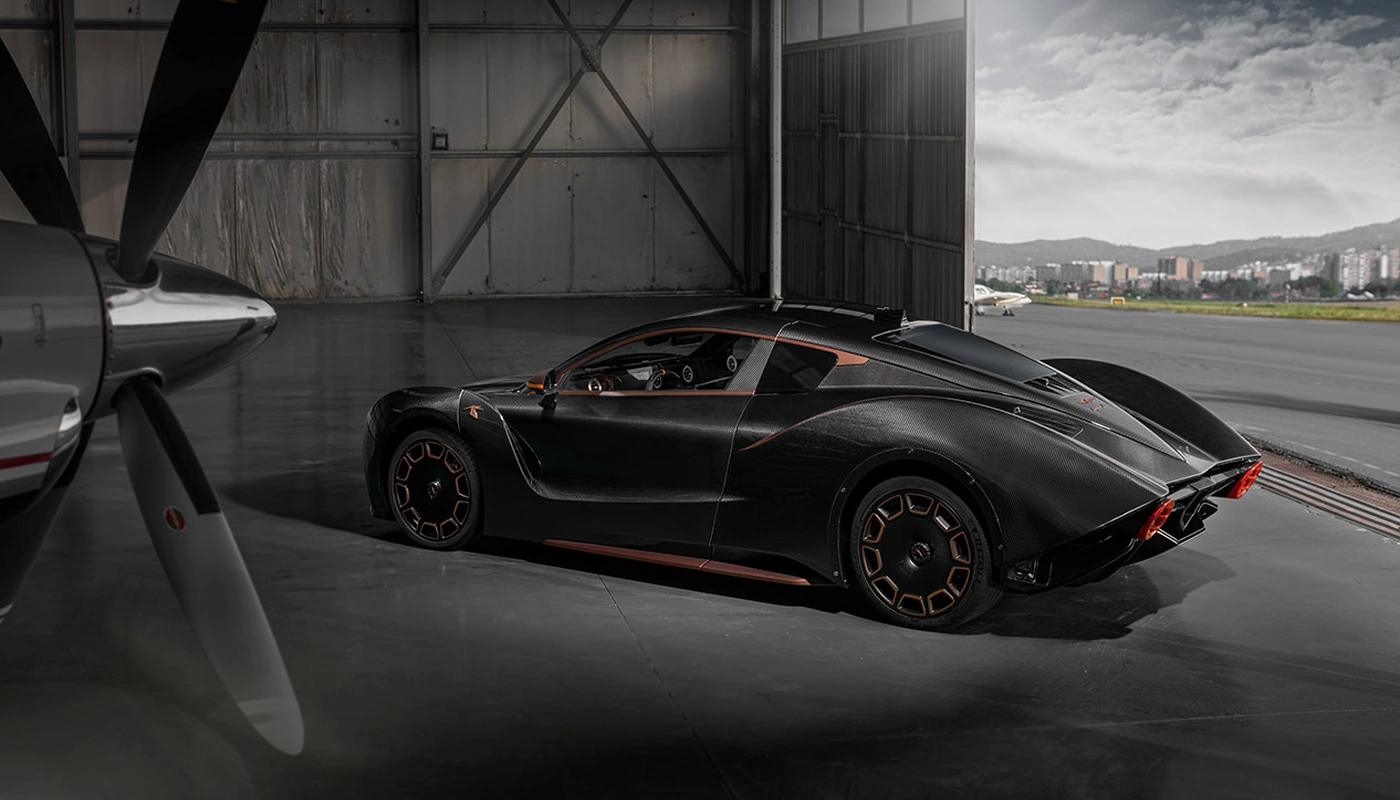


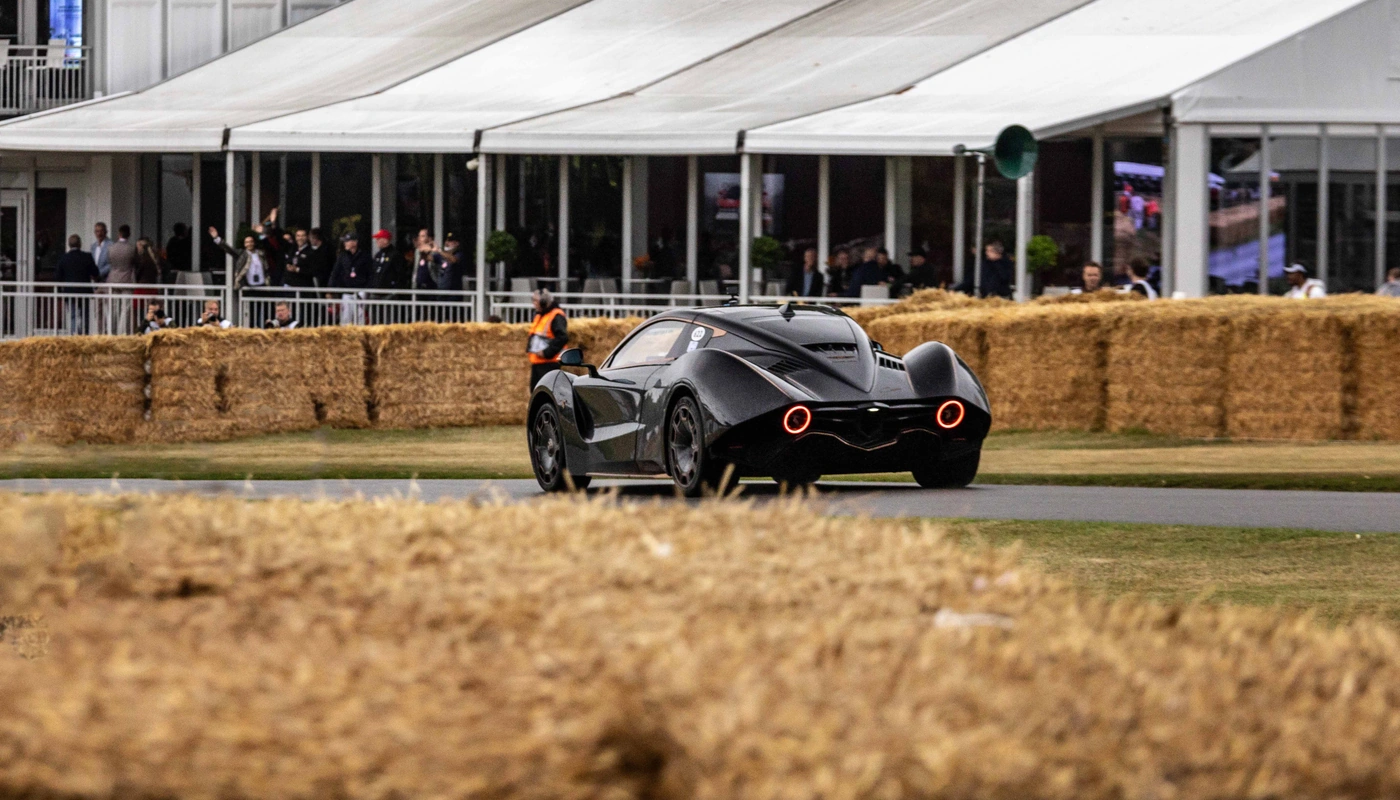

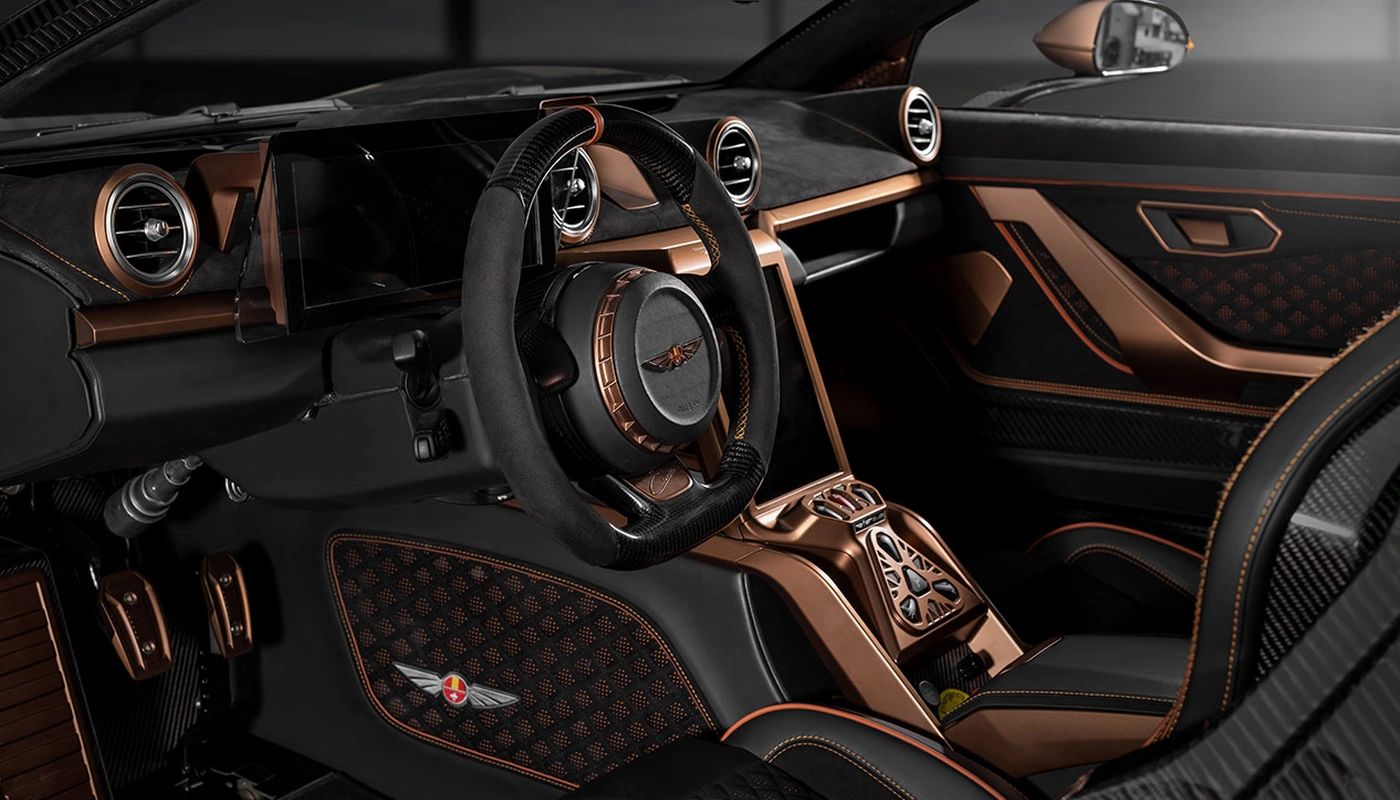

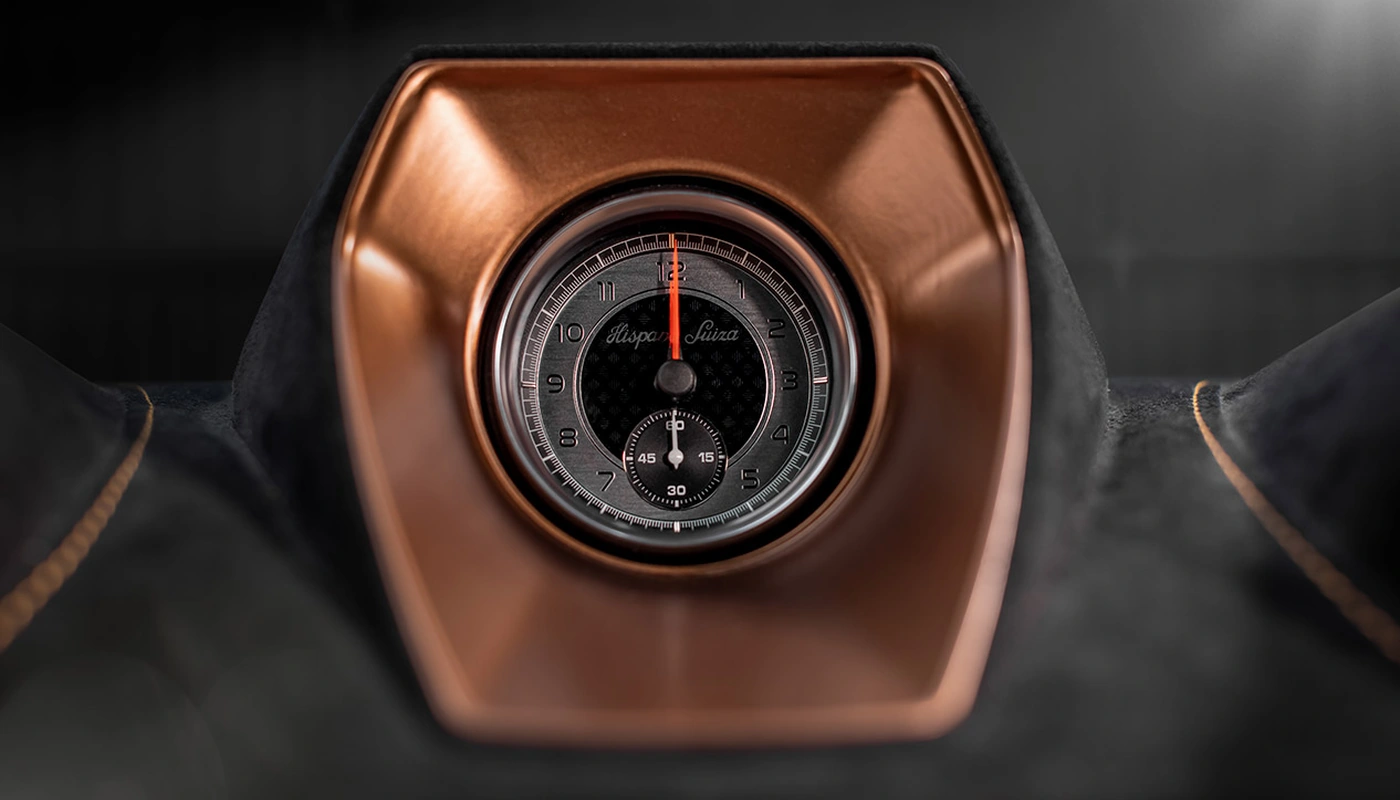
The Carmen Boulogne arrived in 2020 as the most radical version, with a name that recalls the victories of the racing Hispano Suizas at the French Boulogne circuit in the 1920s. Here the brand added two more motors to the Carmen's two, up to four electric motors all acting on the rear axle, which pushed power to around 1,114 hp, dropped the 0 to 100 to 2.6 seconds and gave the car a carbon-fibre auxiliary chassis. With these five units, first-generation production was limited to 19 cars between Carmen and Carmen Boulogne.


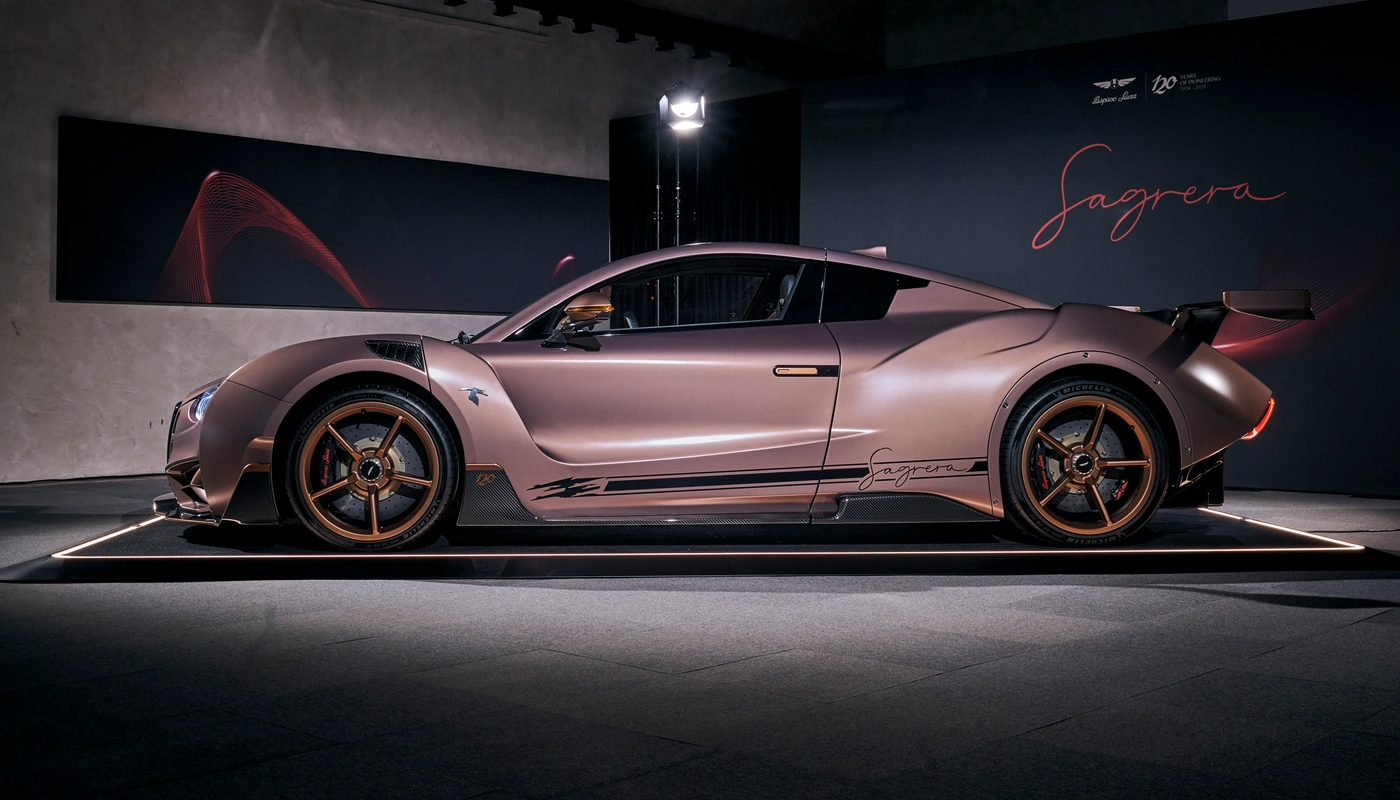


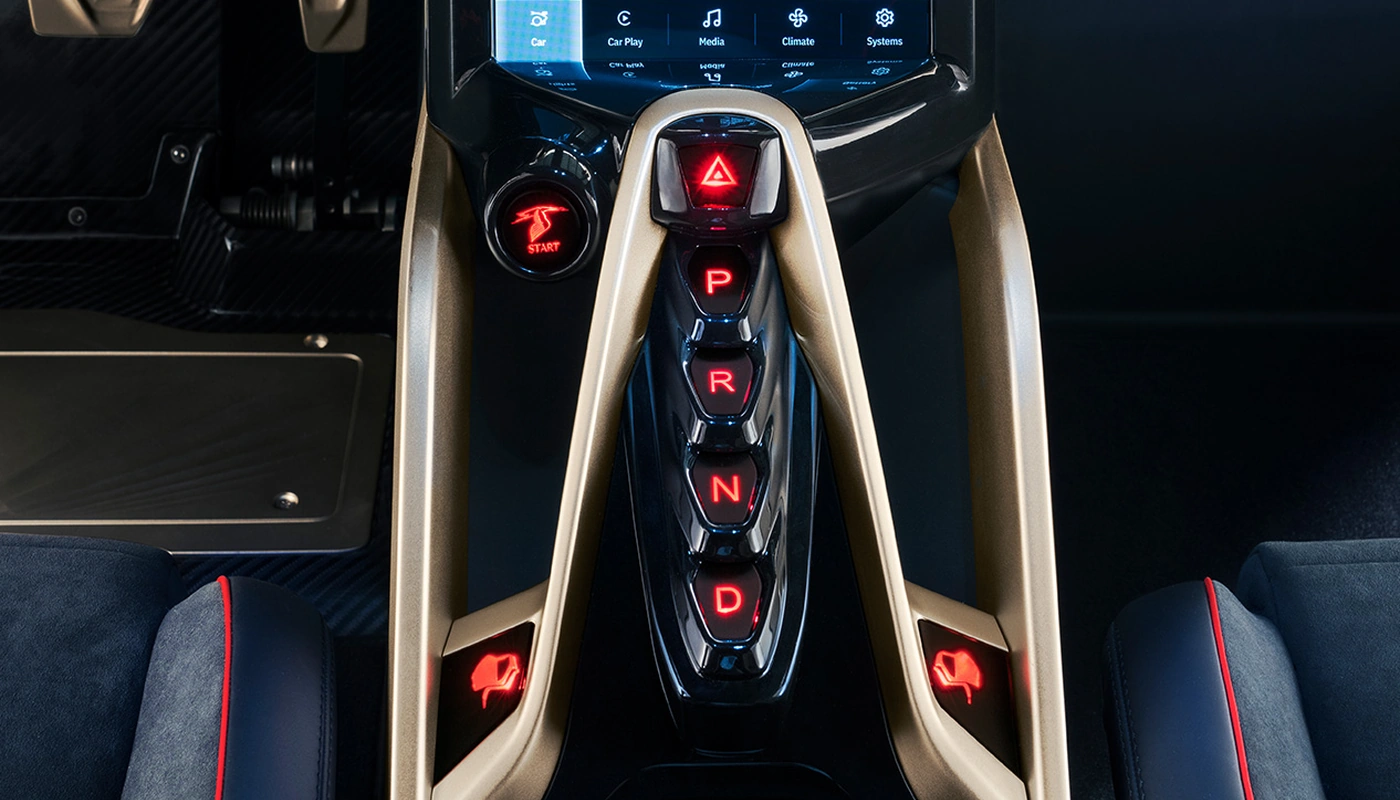
The Carmen Sagrera came in 2024, on the brand's 120th anniversary, and its name honours La Sagrera, a district of Barcelona where Hispano Suiza raised its first large factory in 1911, a 50,000-square-metre plant. It inherits the Boulogne's four-motor drivetrain and its 1,114 hp, with the same 103 kWh battery, 480 km of homologated range and revised aerodynamics that include a rear wing shaped like stork's wings.
The three cars are assembled by hand in Barcelona. The buyer chooses between two personalisation programmes, a standard one with more than a hundred combinations of finishes and another fully bespoke, to the point that, according to the brand, no two units are alike. From order to delivery takes about eight months.
04Hypercar construction: carbon and circuit
Under the bodywork, the Carmen is a hypercar built with racing techniques. Its structure is a carbon-fibre monocoque of just 195 kg, with a torsional stiffness of 50,000 Nm per degree, onto which the double-wishbone suspension and carbon subframes are mounted. The body panels, also made of carbon fibre, weigh 64.5 kg in total, and braking is handled by carbon-ceramic discs with AP Racing calipers.
That base comes from the track. The drivetrain development and much of the project's engineering were carried out by QEV Technologies, a Barcelona company with Formula E experience, and the car was fine-tuned at the Circuit de Barcelona-Catalunya, the track that hosts the Spanish Grand Prix, with Luis Pérez-Sala, a Barcelona-born former Formula 1 driver, as development driver. The Carmen Boulogne is born with that track vocation, to the point that the brand itself describes it as a race-inspired car that is also road-legal. Hence its name, in memory of the Georges Boillot Cup that the racing Hispano Suizas won at Boulogne in the 1920s.
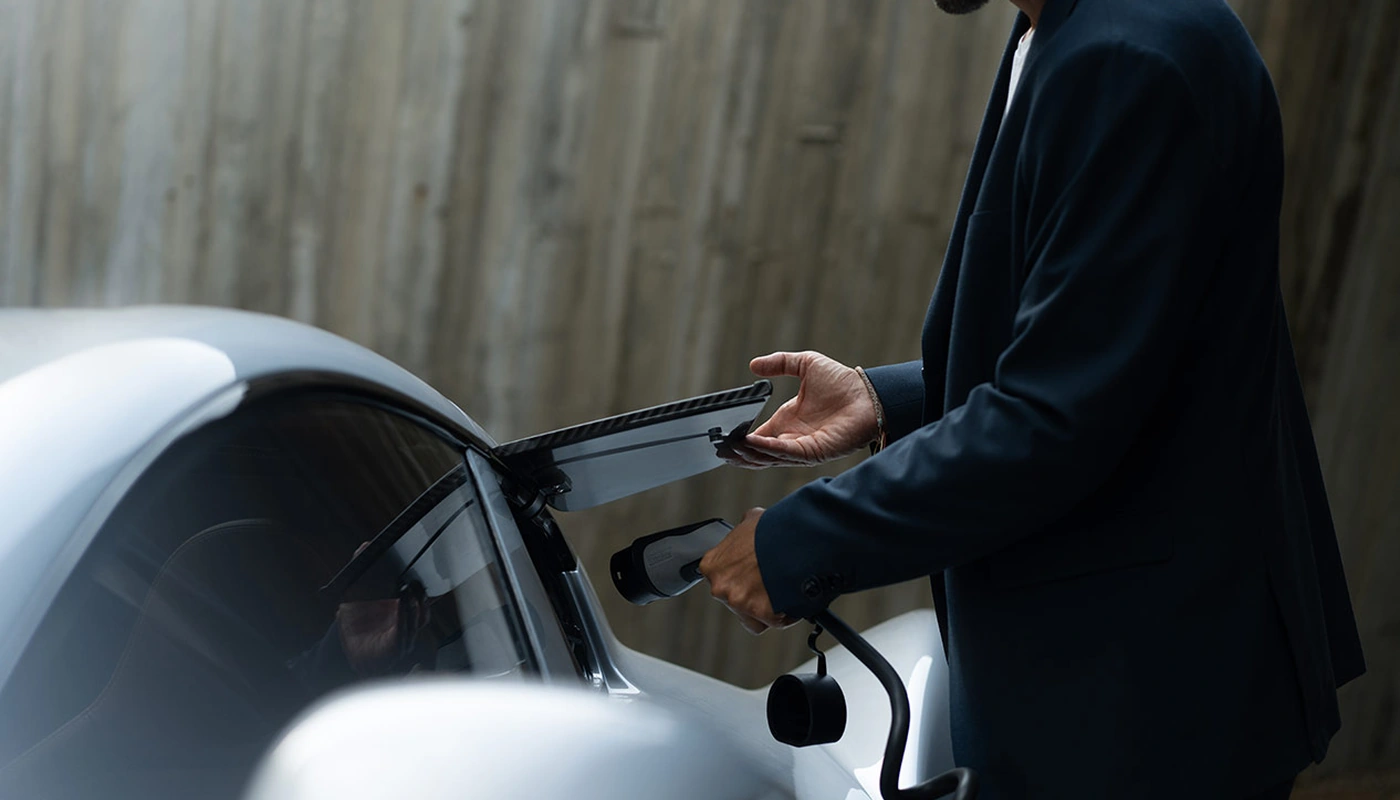
The consumption and charging figures match that profile. The 103 kWh battery homologates between 480 and 500 km WLTP depending on the model, and on fast charging it accepts 80 to 100 kW in direct current. At home it takes up to 22 kW in alternating current, which fills the battery in under four hours.
With prices between 2.6 and 3 million euros and production of just a few units, each car is also a collector's piece, hand-built and personalised one by one. According to Hispano Suiza, more than three-quarters of its components come from Spanish suppliers, so the car is not only assembled in Barcelona but largely built from the Spanish and Catalan industrial base around it.
05Two companies, one name
If you look up Hispano Suiza in English, you will run into a confusion worth clearing up: two separate companies use the name today, with no relationship between them.
The Catalan one is Hispano Suiza Cars, of Grup Peralada and the Suqué Mateu family, which descends directly from the 1904 founder and builds the electric Carmen in Barcelona. The other is Hispano Suiza Automobilmanufaktur AG, based in Austria and led by the designer Erwin Leo Himmel, which offers a different car, the Maguari HS1, a petrol V10 sports car based on the Audi R8. The rights to the name are split across different countries.
For the purposes of this article, the Hispano Suiza we are talking about is the Barcelona one: the electric hypercars, the founding family and the stork over the radiator all belong to Hispano Suiza Cars.
06The same brand, the technology of each era
The connection between the two eras is not only in the name. Hispano Suiza grew around the engineering of Marc Birkigt and the search for advanced technical solutions for its time. More than a century later, the brand has recovered that same idea with a different technology: the electric car, with the founding family still tied to the marque and in the same city where it all began.
The Carmen, the Carmen Boulogne and the Carmen Sagrera represent a very particular reading of the electric car: artisanal production, carbon fibre, power outputs above 1,000 hp and manufacturing limited to a handful of units. They are not out to compete with mainstream electrics or with the big luxury makers. They are the way Hispano Suiza has chosen to return to the car in the 21st century, using electric propulsion as a starting point to recover a tradition of engineering and exclusivity that vanished from the roads more than 70 years ago.